
At Nucleus IVF, Pune, Dr. Pritam Prakash Sulakhe understands that financial planning is one of the biggest concerns for couples considering IVF treatment. While the emotional journey of infertility can be overwhelming, the financial aspect often adds another layer of stress. Clear information, transparency, and proper guidance can help couples prepare both practically and emotionally for this important step toward parenthood.
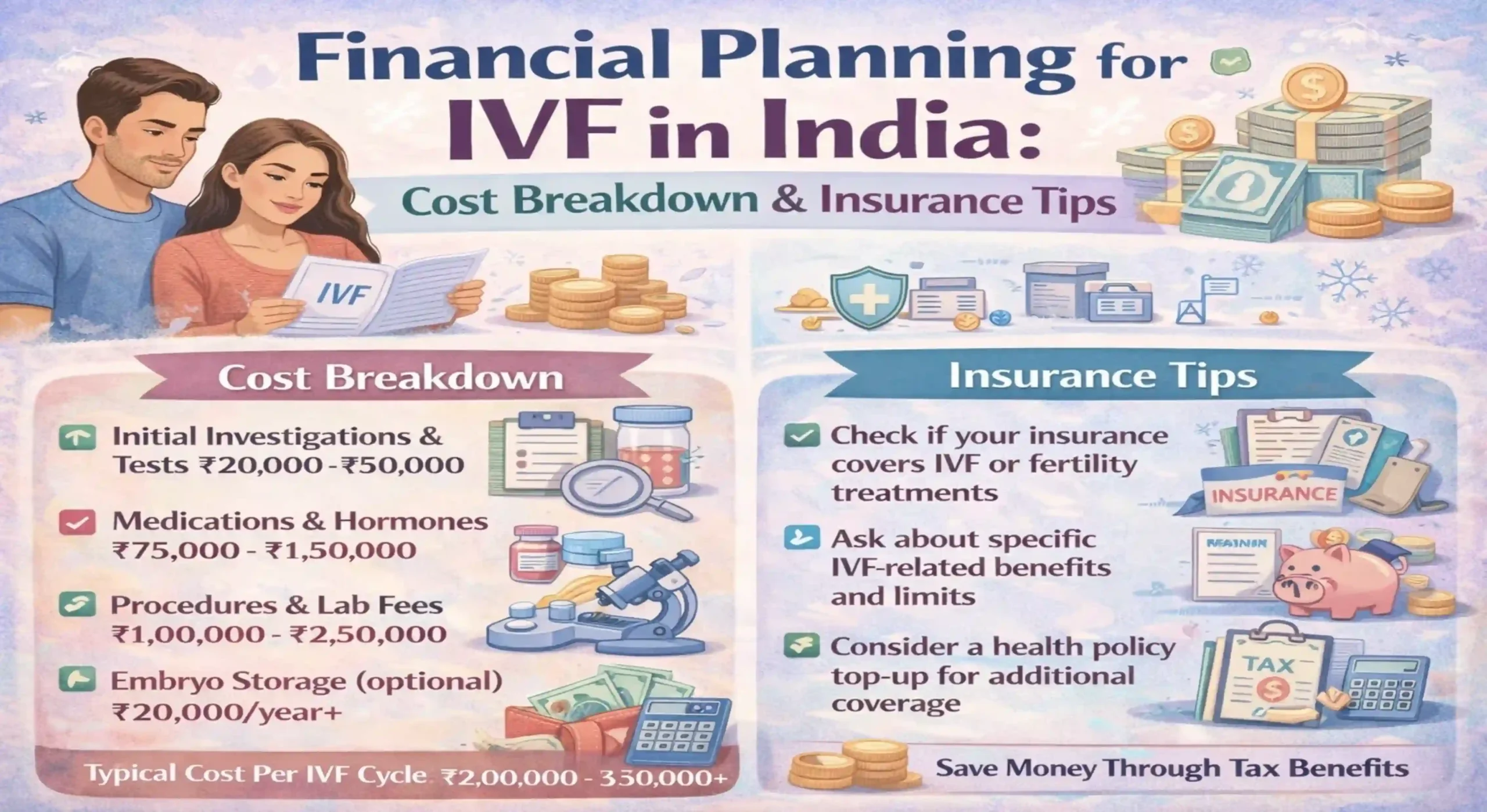
IVF (In Vitro Fertilization) is a structured medical process involving several stages, and each stage contributes to the overall cost. Understanding where your money goes allows you to plan wisely and avoid unexpected expenses.
What Does IVF Cost in India Typically Include?
The cost of IVF in India usually covers multiple components of treatment rather than a single procedure. These commonly include:
• Initial consultation and fertility evaluation
• Diagnostic investigations (blood tests, hormone tests, ultrasound scans, semen analysis)
• Ovarian stimulation medications
• Egg retrieval procedure
• Laboratory fertilization and embryo culture
• Embryo transfer
• Freezing charges (if applicable)
Among these, medications often form a significant portion of the total expense. Fertility injections used for ovarian stimulation vary depending on dosage, duration, and the patient’s ovarian response. Women who require higher doses or longer stimulation may incur higher medication costs.
Laboratory quality and technology also influence pricing. Advanced embryology labs with experienced specialists may have slightly higher charges but can offer improved outcomes.
Additional Potential Costs to Consider
While standard IVF packages cover core procedures, certain situations may require additional treatments. These include:
ICSI Procedure
Intracytoplasmic Sperm Injection (ICSI) is often recommended in cases of low sperm count, poor motility, or abnormal morphology. This advanced fertilization method involves injecting a single sperm directly into the egg. ICSI usually adds to the total cost but significantly improves fertilization rates in male factor infertility.
Embryo Freezing and Storage
If extra embryos are available, couples may choose to freeze them for future use. Freezing charges are typically separate from storage fees, which are billed annually. Long-term storage costs should be factored into financial planning.
Genetic Testing (PGT)
Preimplantation Genetic Testing (PGT) is advised in certain cases such as advanced maternal age, recurrent miscarriage, or genetic disorders. This screening helps identify chromosomally normal embryos, increasing implantation success and reducing miscarriage risk. However, PGT significantly increases the overall treatment cost.
Donor Programs
If donor eggs or donor sperm are required, additional expenses include donor screening, compensation, and laboratory procedures. Donor IVF cycles typically cost more than standard IVF cycles.
Understanding these potential add-ons helps avoid surprises and allows couples to budget realistically.
Insurance Coverage for IVF in India
Insurance coverage for IVF in India is gradually evolving. Traditionally, fertility treatments were not covered under standard health insurance policies. However, some corporate insurance plans now offer partial coverage for infertility treatment.
Coverage varies widely depending on:
• Employer-provided group insurance
• Specific policy terms
• Waiting periods
• Lifetime coverage limits
It is important to carefully review your policy documents or speak directly with your insurance provider to understand what is included.
Although full IVF coverage is still uncommon, partial reimbursements for investigations or hospitalization may be available.
EMI Options and Fertility Financing
To make IVF more accessible, many fertility centers now offer EMI (Equated Monthly Installment) options. Fertility financing programs allow couples to spread payments over several months, reducing immediate financial pressure.
Some banks and financial institutions provide medical loans specifically for fertility treatment. Interest rates and repayment terms vary, so comparing options before committing is advisable.
EMI options can significantly ease the burden for couples who are financially stable but prefer structured payment plans rather than a lump-sum payment.
Smart Saving Tips for IVF Treatment
Financial planning does not mean compromising on quality. It means being informed and organized.
Compare Package Inclusions Carefully
Different clinics offer different packages. Some include medications, while others exclude them. Always clarify:
• Number of scans included
• Number of embryo transfers
• Freezing charges
• Follow-up consultations
A lower package price may not always mean lower overall cost.
Ask About Hidden Charges
Transparency is essential. Ask clearly about:
• Additional lab charges
• Emergency procedures
• Anesthesia costs
• Storage fees
Clear communication prevents unexpected financial stress later.
Plan Medication Purchases Wisely
Medications form a major part of IVF expenses. Purchasing from authorized pharmacies, comparing prices, and avoiding wastage can help manage costs effectively.
Explore Tax Benefits
In some cases, fertility treatment expenses may qualify under medical deductions depending on prevailing tax laws. Consulting a financial advisor can help determine eligibility.
Emotional and Practical Preparedness
Financial counseling is not just about numbers—it is about emotional security. When couples understand the cost structure clearly, they feel more confident and less anxious about the journey ahead.
Uncertainty often creates stress. Transparent communication regarding expected expenses helps couples focus on treatment rather than financial fear.
Proper budgeting also allows couples to plan for:
• Multiple cycles if needed
• Frozen embryo transfers later
• Pregnancy-related expenses after success
Being financially prepared ensures smoother decision-making.
Is IVF Worth the Investment?
For many couples, IVF represents hope after years of trying to conceive. While the cost may seem significant, the emotional value of achieving parenthood is immeasurable.
Choosing a clinic that offers transparent pricing, experienced specialists, and advanced technology ensures that the investment is meaningful.
Final Thoughts
IVF treatment in India involves multiple components, and understanding the financial breakdown is essential before beginning the process. From consultation to embryo transfer—and sometimes advanced procedures like ICSI or genetic testing—each step contributes to the overall cost.
Insurance coverage is improving, EMI options are available, and financial planning strategies can make treatment more manageable.
The key is transparency, proper guidance, and informed decision-making.
With the right financial preparation, couples can focus on what truly matters—their journey toward a healthy pregnancy and the dream of parenthood.
Dr. Pritam Prakash Sulakhe

Dr. Pritam Prakash Sulakhe
author
Dr. Pritam Prakash Sulakhe has completed his MBBS from B J Government Medical College , Pune which is one of the top medical College in India. He continued his post-graduation as DGO at same institute. After that he opted for Diplomat Of national Board In Obstetrics and Gynecology from Kerala Institute Of Medical Sciences Trivandrum, which is one of the most prestigious institute from South India.