
Imagine a couple who has been trying to conceive for several years. After multiple consultations and fertility investigations, they finally receive a semen analysis report.
But the result is unexpected: No sperm are found in the semen sample.
For the man, this news can be emotionally difficult. Questions immediately arise. Is natural fatherhood impossible? Is there any way to retrieve sperm? Can IVF still be an option?
This condition is known as azoospermia, which means the absence of sperm in the ejaculate.
However, the absence of sperm in semen does not always mean that the testicles are not producing sperm.
In selected men, sperm may still be present in small areas within the testicular tissue. This is where an advanced surgical technique called the Micro-TESE procedure may offer an opportunity.
According to Dr. Pritam Prakash Sulakhe at Nucleus IVF Centre, Pune, understanding the underlying cause of male infertility is essential before deciding on a treatment approach.
Let’s understand what Micro-TESE is, who may benefit from it, how the procedure works and what couples should know before considering IVF.
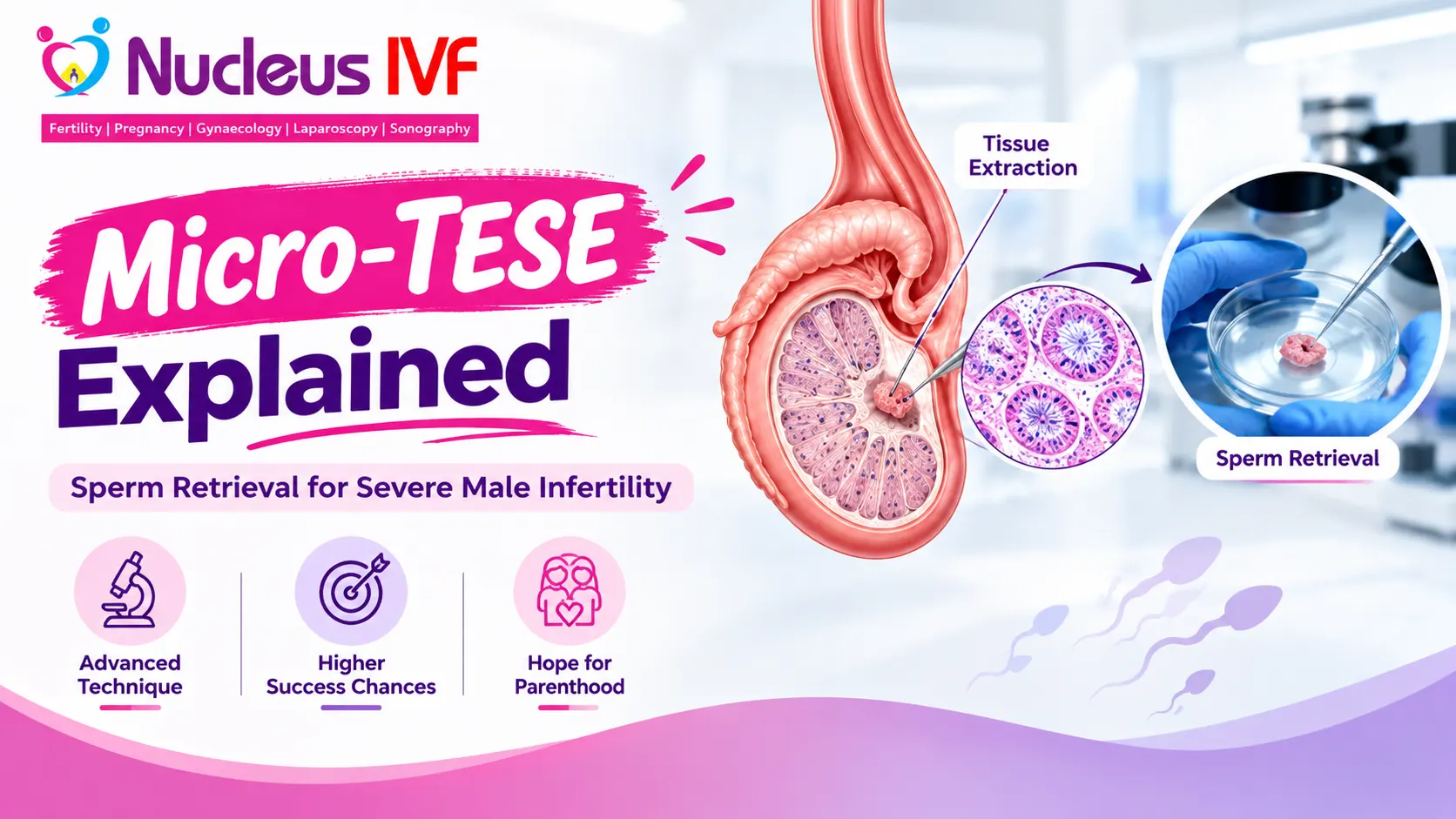
What Is the Micro-TESE Procedure?
Micro-TESE stands for Microsurgical Testicular Sperm Extraction or microdissection testicular sperm extraction.
It is an advanced surgical sperm retrieval technique primarily used in men diagnosed with non-obstructive azoospermia (NOA).
In this condition, the testicles produce very few sperm or produce sperm only in small, scattered areas. As a result, sperm may not appear in the semen sample.
During the Micro-TESE procedure, a surgeon uses a high-powered operating microscope to examine the testicular tissue and identify seminiferous tubules that may contain sperm.
These selected tubules are carefully examined, and small tissue samples are collected for laboratory analysis.
If viable sperm are found, they may be used for Intracytoplasmic Sperm Injection (ICSI), an advanced form of IVF treatment.
The important difference: Unlike conventional sperm retrieval techniques that may involve random tissue sampling, Micro-TESE uses microscopic examination to help identify areas more likely to contain sperm while limiting unnecessary tissue removal.
What Is Azoospermia and Why Does It Happen?
Before understanding Micro-TESE, it is important to understand azoospermia.
Azoospermia is a male fertility condition in which no sperm are detected in the ejaculate after appropriate laboratory examination.
It is generally divided into two main types.
1. Obstructive Azoospermia
In obstructive azoospermia, the testicles usually produce sperm, but a blockage prevents sperm from entering the semen.
Possible causes include:
Previous infections affecting the reproductive tract.
Blockage in the epididymis or vas deferens.
Previous reproductive tract surgery.
Congenital absence of the vas deferens.
Certain genetic conditions.
Men with obstructive azoospermia may be candidates for other sperm retrieval techniques, such as PESA, MESA or TESA, depending on their condition. Micro-TESE is not usually the first choice when sperm production is normal and the problem is only an obstruction.
2. Non-Obstructive Azoospermia (NOA)
Non-obstructive azoospermia occurs when sperm production inside the testicles is severely reduced or impaired.
Possible causes include:
Genetic conditions such as Klinefelter syndrome.
Y-chromosome microdeletions.
Hormonal abnormalities.
Previous chemotherapy or radiation therapy.
Testicular injury or certain infections.
Undescended testicles.
Impaired sperm production without an identifiable cause.
In some men with NOA, sperm production may occur in isolated areas of the testicular tissue. Micro-TESE is designed to search for sperm in these areas.
Who Is a Suitable Candidate for the Micro-TESE Procedure?
Micro-TESE is not recommended for every man experiencing infertility. A detailed evaluation is necessary before considering surgery.
A fertility specialist or male reproductive urologist may recommend an assessment if:
You have been diagnosed with non-obstructive azoospermia.
Repeated semen analyses show no sperm.
Previous sperm retrieval attempts have been unsuccessful.
You have certain genetic or testicular conditions affecting sperm production.
You have persistent azoospermia following chemotherapy, after appropriate assessment and counselling.
Before recommending the procedure, doctors generally review medical history, hormonal reports, genetic investigations and previous fertility treatment records.
In particular, complete AZFa or AZFb Y-chromosome microdeletions are associated with no realistic chance of successful surgical sperm retrieval. Genetic testing and counselling are therefore important before proceeding.
How Is the Micro-TESE Procedure Performed?
For couples considering this treatment, understanding what happens during surgery can reduce uncertainty and anxiety.
Here is a step-by-step explanation.
Step 1: Preoperative Evaluation
Before surgery, the doctor reviews the patient’s medical and reproductive history.
Investigations may include:
Repeat semen analysis with examination of the centrifuged sample.
Hormonal tests such as FSH, LH and testosterone.
Genetic testing, including karyotyping and Y-chromosome microdeletion analysis when indicated.
Scrotal examination and ultrasound when clinically appropriate.
This evaluation helps identify the cause of azoospermia and determine whether surgical sperm retrieval is appropriate.
Step 2: Administration of Anaesthesia
The procedure is performed in an operating theatre under appropriate anaesthesia, commonly general anaesthesia, depending on the clinical setting and patient requirements.
The patient is positioned and prepared for surgery.
Step 3: Microscopic Examination of Testicular Tissue
A small surgical incision is made to access the testicle.
The surgeon opens the protective covering of the testis and examines the seminiferous tubules using an operating microscope.
Tubules that appear larger, more opaque or more prominent may be selected because they are more likely to contain sperm.
However, their appearance does not guarantee the presence of sperm.
Step 4: Careful Tissue Collection
Small, selected samples of testicular tissue are collected while taking care to preserve the surrounding blood supply and minimise unnecessary tissue damage.
Step 5: Laboratory Examination
The collected tissue is immediately examined by an embryologist or specialised laboratory team.
The tissue is processed to search for sperm cells.
If sperm are identified, their suitability for ICSI is assessed.
Step 6: Sperm Preservation and IVF Planning
If sufficient suitable sperm are retrieved, they may be used immediately for ICSI or frozen for future treatment, depending on sperm availability and clinical circumstances.
The fertility team then discusses the most appropriate IVF plan with the couple.
What Are the Advantages of Micro-TESE?
Micro-TESE is considered an important advancement in the management of non-obstructive azoospermia.
Some of its potential advantages include:
1. Targeted Sperm Retrieval
The operating microscope helps the surgeon identify and collect selected testicular tubules that may contain sperm.
2. Less Unnecessary Tissue Removal
Compared with conventional TESE, microscopic examination can help reduce the amount of testicular tissue that needs to be removed.
3. Better Sperm Retrieval Potential in NOA
Clinical guidelines favour micro-TESE for sperm retrieval in men with non-obstructive azoospermia because studies have reported better retrieval outcomes compared with conventional TESE.
4. Opportunity to Use Biological Sperm
When sperm are successfully retrieved and suitable for treatment, they may be used for ICSI, giving selected couples an opportunity to pursue pregnancy using the man’s own sperm.
However, successful sperm retrieval does not guarantee fertilisation, pregnancy or a live birth.
What Are the Success Rates of Micro-TESE?
This is often the first question couples ask when considering the procedure.
The success rate of Micro-TESE generally refers to the ability to retrieve sperm from testicular tissue, not the pregnancy or live birth rate.
Studies and clinical guidelines report sperm retrieval rates that vary considerably depending on the underlying cause of azoospermia, patient characteristics, surgical expertise and laboratory experience.
The AUA/ASRM guidelines cite reported sperm retrieval rates of approximately 40–60% in men with non-obstructive azoospermia.
However, this is a broad estimate, not an individual prediction.
Factors that may influence the outcome include:
Underlying cause of azoospermia.
Genetic abnormalities.
Testicular function and hormonal profile.
Previous testicular surgery or treatment.
Experience of the operating surgeon.
Expertise of the embryology laboratory.
Importantly, no single hormonal result or clinical factor can reliably predict success in every patient.
A specialist consultation is necessary to understand the potential benefits and limitations in an individual case.
Are There Any Risks or Side Effects of Micro-TESE?
Like every surgical procedure, Micro-TESE carries certain risks.
Although microscopic techniques aim to minimise tissue damage, possible complications include:
Postoperative pain or swelling.
Bleeding or testicular haematoma.
Infection.
Injury to testicular tissue or its blood supply.
Temporary or persistent reduction in testosterone levels.
Testicular atrophy in uncommon cases.
Men with pre-existing low testosterone or reduced testicular function may require closer hormonal monitoring after surgery.
Following the surgeon’s postoperative instructions and attending recommended follow-up appointments are important for recovery.
What Is the Recovery Time After Micro-TESE?
Recovery varies from person to person depending on the surgical technique and individual health.
Most patients can return home after the procedure according to their treating team’s discharge instructions.
General recovery recommendations may include:
Take prescribed medication as directed.
Wear supportive underwear if recommended.
Avoid strenuous physical activity during the initial recovery period.
Avoid heavy lifting until cleared by the surgeon.
Follow the recommended timeline for resuming sexual activity.
Attend follow-up appointments to assess healing and hormonal health.
Mild discomfort and swelling may occur initially. Severe pain, fever, increasing swelling or significant bleeding should be reported to the treating doctor promptly.
How Does Micro-TESE Help in IVF Treatment?
One of the most important aspects of Micro-TESE is its role in helping selected men with non-obstructive azoospermia pursue biological parenthood.
If sperm are successfully retrieved, they can be used in a specialised IVF technique called ICSI.
The process generally involves:
Ovarian stimulation: The female partner receives prescribed medication to stimulate the development of multiple eggs.
Egg retrieval: Mature eggs are collected through a medical procedure.
Sperm preparation: Retrieved testicular sperm are processed and evaluated by the embryology team.
ICSI: A selected sperm is injected directly into a mature egg.
Embryo development: Fertilised eggs are monitored in the laboratory.
Embryo transfer: A suitable embryo may be transferred into the uterus.
The success of this treatment depends on several factors, including sperm availability and quality, egg quality, embryo development and the female partner’s reproductive health.
It is important to remember that Micro-TESE retrieves sperm; it does not itself create a pregnancy.
Micro-TESE vs Conventional TESE: What Is the Difference?
Both procedures aim to retrieve sperm directly from testicular tissue, but their surgical approaches differ.
| Feature | Conventional TESE | Micro-TESE |
|---|---|---|
| Technique | Tissue samples are collected from the testis | Tissue is examined using an operating microscope |
| Sperm search | Less targeted tissue sampling | Targeted examination of selected tubules |
| Tissue removal | May require multiple tissue samples | Aims to minimise unnecessary tissue removal |
| Use in NOA | An alternative in selected cases | Generally preferred for NOA |
| Surgical expertise | Requires surgical experience | Requires microsurgical expertise |
The choice of technique should be based on the underlying diagnosis and the treating specialist’s assessment.
Frequently Asked Questions About the Micro-TESE Procedure
1. Is Micro-TESE painful?
The procedure is performed under appropriate anaesthesia, so patients do not experience surgical pain during the operation. Some discomfort, swelling or soreness may occur during recovery.
2. Can Micro-TESE help men with zero sperm count?
Yes. Micro-TESE is specifically used in selected men with non-obstructive azoospermia, where sperm may be present in small areas of the testicular tissue despite being absent from the semen sample. However, successful retrieval is not guaranteed.
3. What happens if sperm are not found during Micro-TESE?
If no sperm are retrieved, the fertility specialist discusses the findings and alternative family-building options with the couple. These may include donor sperm, depending on the couple’s preferences and clinical circumstances.
4. Can retrieved sperm be frozen?
Yes. If suitable sperm are retrieved in sufficient numbers, they may be cryopreserved for future ICSI treatment. The decision depends on sperm availability and laboratory assessment.
5. Does Micro-TESE affect testosterone levels?
Testosterone levels may temporarily decrease after surgery. Some men, particularly those with already reduced testicular function, may experience a longer-lasting decrease. Hormonal follow-up is important.
6. Is Micro-TESE the same as TESA?
No. TESA (Testicular Sperm Aspiration) uses a needle to aspirate material from the testicle. Micro-TESE is a microsurgical procedure involving direct examination of testicular tissue. Micro-TESE is generally preferred for men with non-obstructive azoospermia.
7. Can Micro-TESE guarantee pregnancy?
No. The procedure aims to retrieve sperm. Even when sperm are successfully retrieved and used for ICSI, fertilisation, embryo development, implantation and live birth are not guaranteed.
Conclusion: A Diagnosis of Azoospermia Does Not Always Mean the End of Your Fertility Journey
Receiving a report that shows no sperm in the semen can be emotionally overwhelming for a couple hoping to become parents.
But it is important to understand that azoospermia has different causes, and the right treatment depends on identifying the underlying problem.
For selected men with non-obstructive azoospermia, the Micro-TESE procedure offers an advanced approach to searching for sperm within the testicular tissue.
When sperm are successfully retrieved, they may be used with ICSI as part of an IVF treatment plan.
At Nucleus IVF Centre, Pune, Dr. Pritam Prakash Sulakhe emphasises the importance of evaluating both partners and understanding the cause of infertility before recommending treatment.
If your semen analysis shows zero sperm or you have been diagnosed with severe male infertility, do not lose hope or delay seeking specialist advice.
Visit Nucleus IVF Centre, Pune, to discuss your fertility concerns and understand whether Micro-TESE and IVF with ICSI may be suitable options for your family-building journey.
Because sometimes, the next step towards fatherhood begins with finding answers.
Dr. Pritam Prakash Sulakhe

Dr. Pritam Prakash Sulakhe
author
Dr. Pritam Prakash Sulakhe has completed his MBBS from B J Government Medical College , Pune which is one of the top medical College in India. He continued his post-graduation as DGO at same institute. After that he opted for Diplomat Of national Board In Obstetrics and Gynecology from Kerala Institute Of Medical Sciences Trivandrum, which is one of the most prestigious institute from South India.
