Planning for IVF can be both exciting and overwhelming. One of the most common questions women ask is, “Can I improve my egg quality naturally before starting IVF?”
According to Dr. Pritam Prakash Sulakhe – Best IVF Doctor in Pune, while age and genetics play a significant role in egg quality, adopting healthy lifestyle habits before treatment may support healthier egg development and improve your body’s readiness for IVF.
If you’re struggling with infertility, poor ovarian reserve, recurrent IVF failure, or are concerned about egg quality, Visit Nucleus IVF Centre, Pune, for a personalized fertility evaluation and expert guidance.
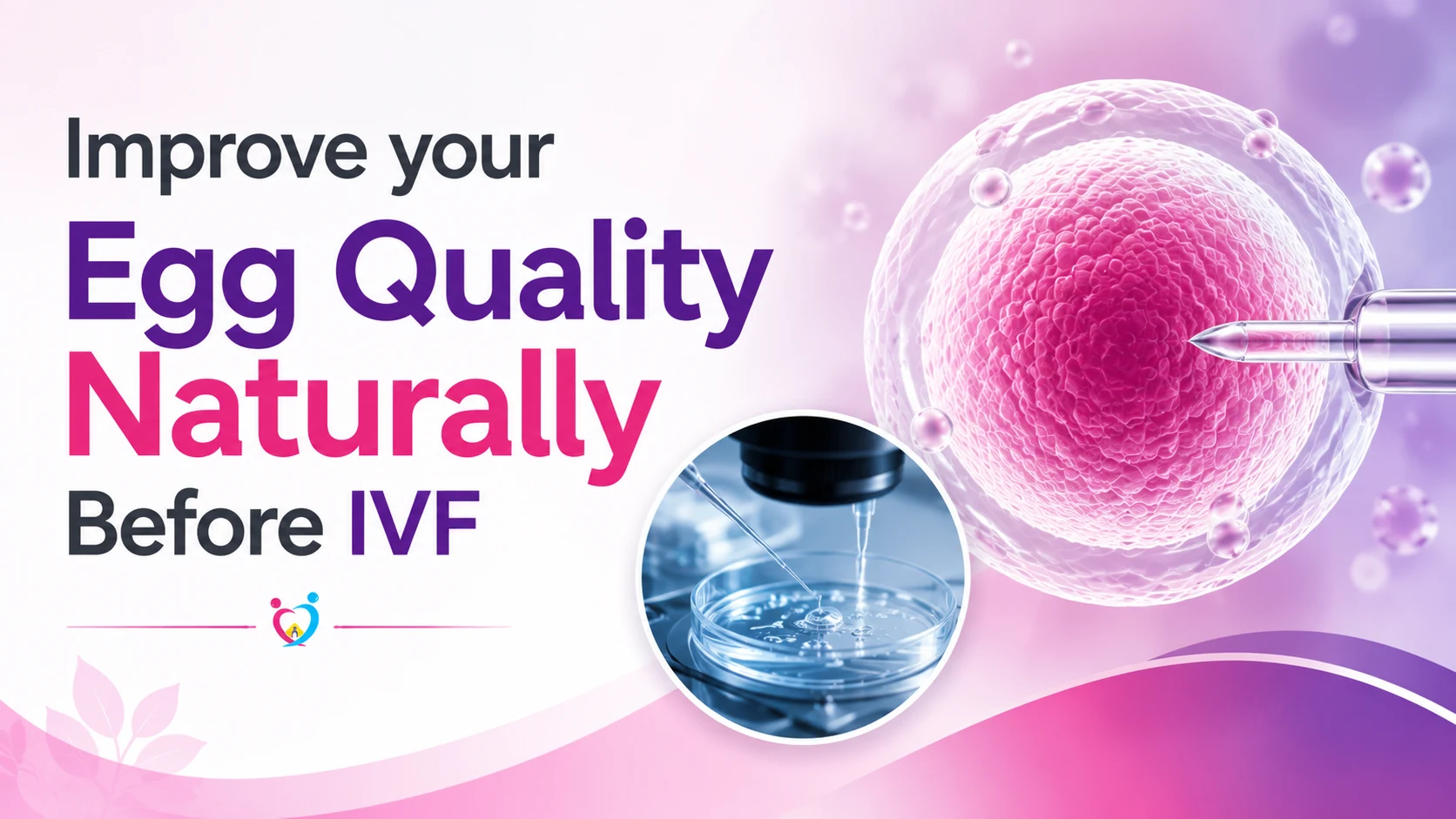
What Does Egg Quality Mean?
Egg quality refers to the health and genetic integrity of a woman’s eggs. High-quality eggs are more likely to:
- 1. Fertilize successfully
- 2. Develop into healthy embryos
- 3. Implant in the uterus
- 4. Result in a healthy pregnancy
As women age, especially after 35, both egg quantity and quality naturally decline. However, healthy lifestyle choices can help create the best possible environment for the eggs that are developing.
Can You Improve Egg Quality Naturally?
It’s important to understand that you cannot create new eggs or completely reverse age-related decline. However, research suggests that improving overall health and reducing oxidative stress during the approximately 90-day egg maturation period may support healthier egg development before IVF.
1. Eat a Fertility-Friendly Diet
Nutrition plays a key role in reproductive health.
Focus on:
- 1. Fresh fruits and colorful vegetables
- 2. Whole grains
- 3. Lean proteins
- 4. Fish rich in Omega-3 fatty acids
- 5. Nuts and seeds
- 6. Healthy fats like olive oil and avocado
Limit:
- 1. Processed foods
- 2. Sugary beverages
- 3. Trans fats
- 4. Excessive caffeine
- 5. Alcohol
A Mediterranean-style diet is one of the most commonly recommended dietary patterns for women preparing for IVF.
2. Maintain a Healthy Weight
Being underweight or overweight can affect hormone balance and ovulation.
Maintaining a healthy Body Mass Index (BMI) may help:
- 1. Improve ovarian function
- 2. Support hormone balance
- 3. Increase IVF success potential
Avoid crash dieting, as rapid weight loss can negatively impact fertility.
3. Prioritize Quality Sleep
Sleep is essential for hormone regulation and reproductive health.
Aim for:
- 1. 7–9 hours of sleep every night
- 2. A consistent sleep schedule
- 3. Reduced screen time before bedtime
Poor sleep may contribute to increased oxidative stress, which can affect reproductive health.
4. Exercise in Moderation
Regular physical activity improves:
- 1. Blood circulation
- 2. Metabolic health
- 3. Stress management
Recommended activities include:
- 1. Brisk walking
- 2. Swimming
- 3. Yoga
- 4. Cycling
- 5. Light strength training
Avoid excessive high-intensity workouts if you’re preparing for IVF, unless advised by your fertility specialist.
5. Manage Stress Effectively
While stress alone does not cause infertility, chronic stress can affect overall health and hormonal balance.
Helpful techniques include:
- 1. Meditation
- 2. Deep breathing exercises
- 3. Yoga
- 4. Journaling
- 5. Counseling
- 6. Spending time with loved ones
Taking care of your emotional well-being is an important part of IVF preparation.
6. Stop Smoking and Limit Alcohol
Smoking is one of the strongest lifestyle factors linked with reduced egg quality and faster ovarian aging.
Women planning IVF should:
- 1. Quit smoking completely
- 2. Avoid second-hand smoke
- 3. Limit or avoid alcohol
These changes may improve overall reproductive health and pregnancy outcomes.
7. Discuss Supplements with Your Fertility Specialist
Never start fertility supplements without medical advice.
Depending on your health profile, your fertility specialist may recommend:
- 1. Folic acid
- 2. Vitamin D (if deficient)
- 3. Coenzyme Q10 (CoQ10)
- 4. Omega-3 fatty acids
- 5. Prenatal vitamins
Current evidence suggests CoQ10 may improve ovarian response and embryo quality in some women, particularly those with diminished ovarian reserve, but it should be taken only under professional guidance.
8. Reduce Exposure to Harmful Chemicals
Try to minimize exposure to environmental toxins by:
- 1. Avoiding cigarette smoke
- 2. Using BPA-free food containers
- 3. Washing fruits and vegetables thoroughly
- 4. Reducing unnecessary pesticide exposure
Small lifestyle improvements can contribute to better overall reproductive health.
9. Start Preparing at Least 3 Months Before IVF
Eggs require approximately 90 days to mature before ovulation.
For this reason, fertility specialists often recommend making healthy lifestyle changes at least three months before beginning IVF treatment to support the developing eggs.
When Should You See a Fertility Specialist?
Schedule a fertility consultation if you:
- 1. Are over 35 and planning pregnancy
- 2. Have low AMH or poor ovarian reserve
- 3. Have experienced failed IVF cycles
- 4. Have irregular periods
- 5. Have PCOS or endometriosis
- 6. Have been trying to conceive for more than one year (or six months if over 35)
Early evaluation helps identify factors that may affect fertility and allows timely treatment.
Why Choose Nucleus IVF Centre, Pune?
At Nucleus IVF Centre, we combine advanced fertility treatments with personalized care to help couples achieve their dream of parenthood.
Our services include:
- 1. Advanced fertility evaluation
- 2. Advanced IVF and ICSI treatment
- 3. AMH testing
- 4. Ultrasound follicular monitoring
- 5. Personalized ovarian stimulation protocols
- 6. Male and female infertility treatment
- 7. High-quality embryology laboratory
Led by Dr. Pritam Prakash Sulakhe, our team focuses on evidence-based treatment plans tailored to every patient’s unique fertility journey.
Dr. Pritam Prakash Sulakhe

Dr. Pritam Prakash Sulakhe
author
Dr. Pritam Prakash Sulakhe has completed his MBBS from B J Government Medical College , Pune which is one of the top medical College in India. He continued his post-graduation as DGO at same institute. After that he opted for Diplomat Of national Board In Obstetrics and Gynecology from Kerala Institute Of Medical Sciences Trivandrum, which is one of the most prestigious institute from South India.
