
At Nucleus IVF, Pune, Dr. Pritam Prakash Sulakhe emphasizes that male fertility contributes to nearly 40–50% of infertility cases. However, many couples still focus primarily on female factors when facing difficulty in conceiving. The reality is that successful pregnancy depends equally on both partners. Understanding sperm health is not just important — it is essential for improving natural conception and IVF success rates.
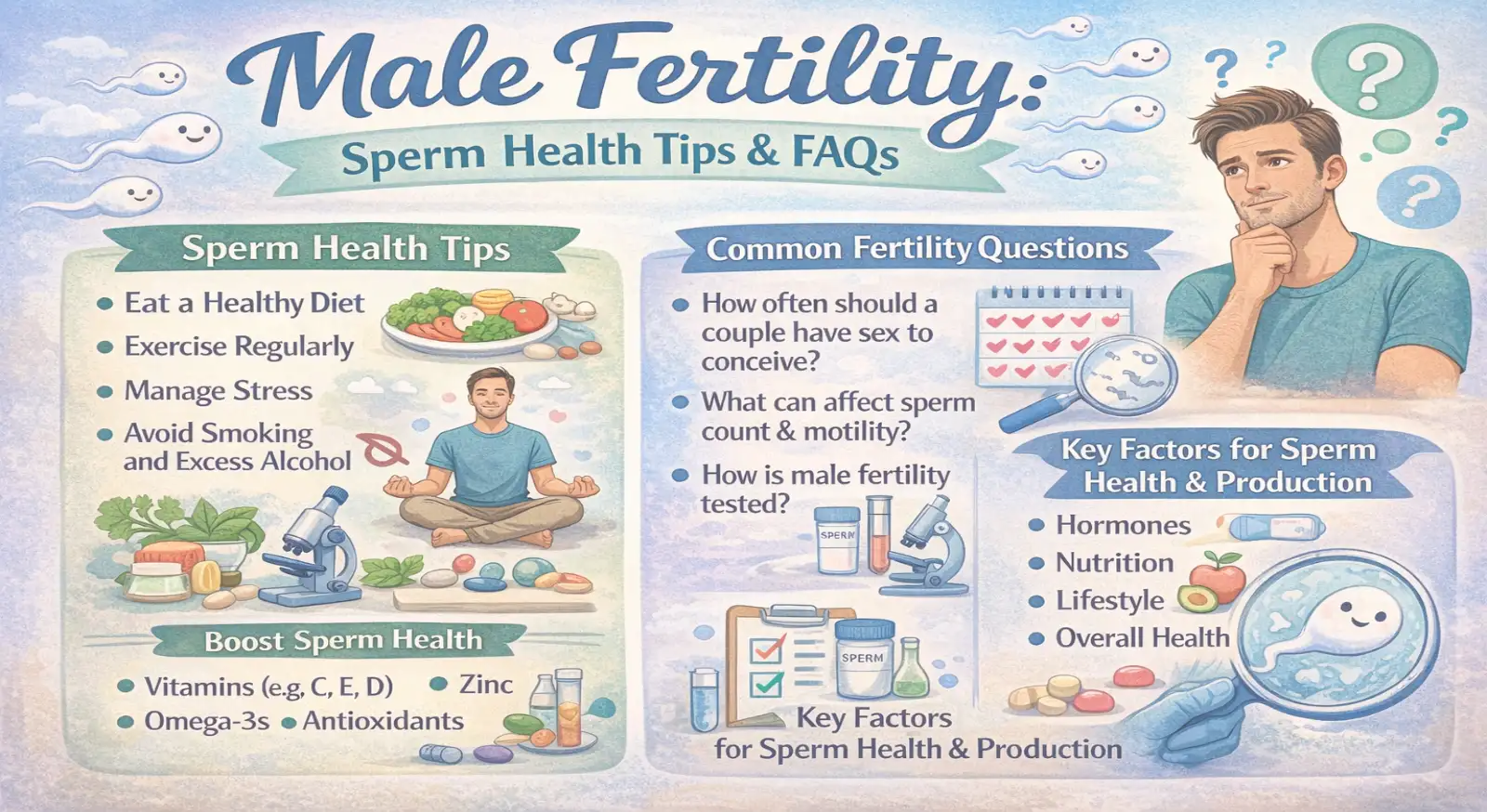
Why Male Fertility Matters
Infertility is often misunderstood as a “female issue,” but medical science clearly shows that male factors are involved in almost half of all cases. A simple semen analysis can provide valuable insights into sperm health and guide timely treatment decisions.
When male fertility is properly evaluated early in the journey, couples can avoid unnecessary delays, emotional stress, and repeated treatment failures.
What Determines Sperm Quality?
Sperm quality is measured using four main parameters:
1. Sperm Count
This refers to the number of sperm present in semen. A lower sperm count reduces the chances of fertilization.
2. Motility
Motility indicates how well sperm move. Healthy sperm must swim efficiently to reach and fertilize the egg.
3. Morphology
This refers to the shape and structure of sperm. Abnormal shape can affect the sperm’s ability to penetrate the egg.
4. DNA Integrity
Even if count and motility appear normal, poor DNA quality can impact embryo development and increase miscarriage risk.
Each of these factors plays a crucial role in conception, whether naturally or through assisted reproductive techniques like IVF.
Lifestyle Factors That Affect Sperm Health
Modern lifestyle habits significantly impact male fertility. Some of the most common negative influences include:
Smoking
Smoking damages sperm DNA, reduces count, and affects motility. It also increases oxidative stress in the body.
Alcohol Consumption
Excessive alcohol disrupts hormone balance and reduces testosterone levels, directly impacting sperm production.
Obesity
Being overweight alters hormone levels, increases estrogen in men, and lowers sperm quality.
Stress
Chronic stress increases cortisol levels, which negatively affects testosterone and sperm production.
Lack of Sleep
Poor sleep reduces hormone regulation and sperm concentration.
Recognizing these factors and making positive changes can dramatically improve sperm parameters.
Practical Tips to Improve Sperm Health
Improving sperm quality does not always require complex treatment. Often, small but consistent lifestyle changes make a big difference.
Maintain a Healthy Weight
Regular physical activity and a balanced diet help maintain hormonal balance and improve sperm production.
Eat Antioxidant-Rich Foods
Antioxidants reduce oxidative stress, which damages sperm cells. Include:
Nuts (especially almonds and walnuts)
Citrus fruits
Berries
Leafy greens
Seeds
Whole grains
Exercise Regularly
Moderate exercise boosts testosterone and improves overall reproductive health. Avoid excessive or extreme workouts, which may have the opposite effect.
Avoid Excessive Heat Exposure
Testicles function best at slightly lower temperatures than the body. Avoid:
Hot tubs
Saunas
Prolonged laptop use on the lap
Tight underwear
Manage Stress Effectively
Yoga, meditation, breathing exercises, and proper sleep routines significantly improve reproductive health.
Common FAQs About Sperm Health
How long does it take to improve sperm quality?
Sperm production takes approximately 70–90 days. This means any positive lifestyle changes or treatments will typically show improvement after about three months.
Can supplements help improve sperm parameters?
Yes. Certain supplements may support sperm health, including:
Zinc
Coenzyme Q10 (CoQ10)
Folic Acid
Vitamin C
Vitamin E
However, supplements should always be taken under medical guidance.
When is ICSI recommended?
In cases of very low sperm count, poor motility, abnormal morphology, or previous fertilization failure, doctors may recommend Intracytoplasmic Sperm Injection (ICSI). This technique involves injecting a single healthy sperm directly into the egg to improve fertilization chances.
Importance of Early Evaluation
A semen analysis is a simple, painless, and cost-effective test that provides essential information. Early evaluation helps:
Identify correctable issues
Improve natural conception chances
Guide appropriate IVF planning
Increase overall treatment success
Delaying male fertility testing often results in unnecessary emotional stress and financial burden.
Male Fertility and IVF Success
In IVF treatment, sperm quality plays a major role in embryo development. Even when eggs are healthy, poor sperm DNA integrity can affect embryo quality and implantation success.
By addressing male factors early, IVF outcomes significantly improve. Personalized treatment plans, lifestyle counseling, and advanced reproductive techniques ensure better results.
Final Thoughts
Male fertility is just as important as female fertility in the journey to parenthood. Ignoring sperm health can delay diagnosis and reduce treatment success rates. Fortunately, most sperm-related issues can be improved with timely intervention, lifestyle changes, and proper medical guidance.
At Nucleus IVF, Pune, couples are encouraged to approach infertility as a shared responsibility. Early testing, informed decisions, and proactive care can greatly increase the chances of a healthy pregnancy.
If you are planning for pregnancy or considering IVF, don’t overlook male fertility evaluation. A simple test today could make a significant difference in your journey toward parenthood.
Dr. Pritam Prakash Sulakhe

Dr. Pritam Prakash Sulakhe
author
Dr. Pritam Prakash Sulakhe has completed his MBBS from B J Government Medical College , Pune which is one of the top medical College in India. He continued his post-graduation as DGO at same institute. After that he opted for Diplomat Of national Board In Obstetrics and Gynecology from Kerala Institute Of Medical Sciences Trivandrum, which is one of the most prestigious institute from South India.
